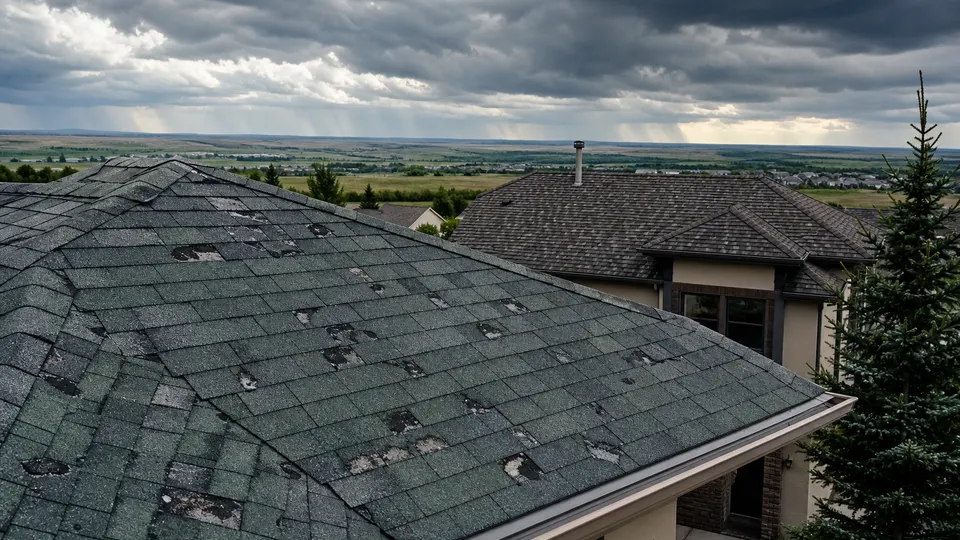
Summer thunderstorms on the Canadian Prairies routinely produce hailstones large enough to crater asphalt shingles, pit siding, shatter skylights, and destroy vehicle glass across entire neighbourhoods. Calgary's hail alley and Saskatchewan storm tracks generate some of Canada's highest property claim frequencies. Home insurance covers hail damage to dwelling and contents under standard comprehensive perils — yet post-storm chaos of contractor shortages, deductible choices, and cosmetic damage exclusions leaves homeowners confused about what to file and when.
Understanding hail claim mechanics before the next dark cloud line saves money and prevents denied supplements.
What home policies cover for hail
Hail impact to roof, siding, windows, fences, and personal property falls within named peril or comprehensive coverage depending on policy form. Detached garages and sheds covered if scheduled. Landscaping and exterior grading damage is limited or excluded on many wordings.
Deductibles apply per occurrence — a storm that damages roof and two vehicles triggers separate home and auto deductibles unless your insurer offers all-peril deductible waivers for catastrophic hail events — rare in Canada.
Cosmetic damage exclusions
Some policies exclude or limit cosmetic hail damage — dents to metal siding or aluminum trim that do not impair function. Read endorsements carefully; Alberta homeowners especially encounter cosmetic roof exclusions on older policies. Functional water infiltration risk from compromised shingles is different from aesthetic denting — adjusters distinguish during inspection.
Post-storm timeline
- Document immediately: Photos of hailstones with size reference, wide property shots, interior leaks if any.
- Report to insurer within days: Neighbourhood-wide events create adjuster backlogs — early file gets earlier inspection.
- Temporary mitigation: Tarp exposed areas; document mitigation costs.
- Avoid predatory contractors: Door-knockers offering free roofs may steer fraudulent claims — use licensed local contractors.
Roof repair vs replacement thresholds
Adjusters apply repair-first philosophy when damage is localized — partial shingle replacement may mismatch aging roof appearance triggering betterment discussions. Widespread bruising across slopes may justify full replacement if water infiltration risk established. Independent roofing inspections help when insurer engineer disagrees with your contractor.
Alberta and Saskatchewan regional notes
Alberta homeowners face repeated hail exposure in Calgary, Red Deer, and corridor communities — some insurers surcharge comprehensive deductibles or require higher hail deductibles on new business. Saskatchewan Regina and Saskatoon see similar summer spikes. Manitoba Winnipeg hail events are less frequent but severe when they occur.
"Our neighbourhood had forty roofs replaced after one July storm. Getting an adjuster took two weeks — photos from day one kept our place in queue." — Homeowner, Calgary, 2025
Auto hail claims interaction
Comprehensive auto covers glass and body hail — same storm, separate claim and deductible. Park vehicles in garage when warnings issue; comprehensive claims history affects auto renewal separately from home.
Contractor and insurer direct repair programs
Insurer preferred vendor networks expedite volume events but you generally retain right to choose licensed contractor subject to reasonable pricing guidelines. Obtain itemized estimates; avoid signing assignment of benefits giving contractor control of entire claim proceeds without understanding implications.
Preventive measures
- Impact-resistant roofing products where municipal programs offer rebates.
- Garage vehicles when severe thunderstorm watches issued.
- Review deductible annually — $2,500 hail deductible saves premium until one storm hits.
Claims supplement strategy
Hidden deck damage or gutter compromise discovered during roof work warrants supplement with dated photos. Delay supplements too long and insurer questions whether subsequent damage relates to original storm.
Prairie hail is weather certainty, not lottery risk. Home policies respond when documentation, timing, and functional damage align with wordings — prepare accordingly each June through August.