Fault Determination Rules and Your Auto Claim in Ontario
Ontario Fault Determination Rules decide who pays for vehicle damage after collisions. Direct Compensation-Property Damage means your insurer repairs your car even when you are not at fault.

Slow, clear explainers on policies and premiums

Ontario Fault Determination Rules decide who pays for vehicle damage after collisions. Direct Compensation-Property Damage means your insurer repairs your car even when you are not at fault.


Alberta auto rates vary sharply by city and postal code. Hail claims in Calgary, grid rating for new drivers, and 2022 market reforms all shape what you pay.

Classic and collector car insurance in Canada uses agreed value, mileage caps, and club membership requirements — standard commuter policies may deny claims if you daily-drive a declared collectible.

Electric vehicle insurance in Canada reflects expensive battery repairs and limited certified shops. Comprehensive and collision pricing often exceeds comparable gas cars — telematics and OEM repair clauses matter.

Canadian drivers choose between insurance brokers and direct writers. Brokers access multiple markets; direct channels offer speed — but neither is automatically cheaper or better for every household.

Home and auto bundles offer multi-policy discounts in Canada, but unbundled quotes sometimes win. Compare total coverage on matched limits before chasing bundle marketing.

Canadian insurance claims move faster with timestamps, photo evidence, and itemized inventories. This documentation checklist applies to home, auto, and tenant losses.

Condo corporation deductibles in Ontario and BC can reach $50,000 or more. Unit owner policies with deductible assessment coverage are no longer optional for many buildings.

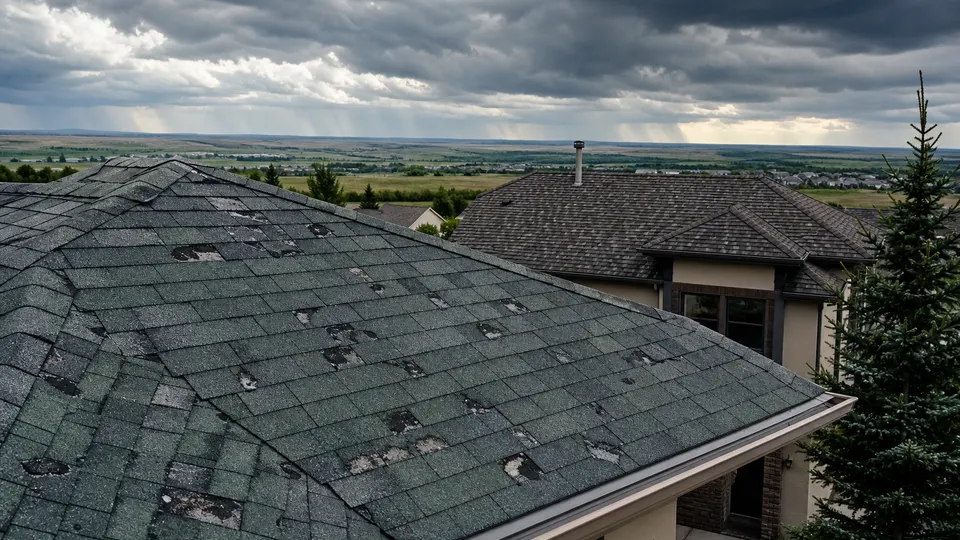
Prairie hail claims spike each summer from Alberta to Manitoba. Home policies cover hail under standard perils — but deductibles, cosmetic exclusions, and contractor backlogs shape outcomes.

Home insurance excludes most home-based business liability and equipment. Canadian freelancers need commercial endorsements or separate policies once income exceeds casual hobby thresholds.

BC's atmospheric river events and Fraser Valley flood history show why overland water and sewer backup endorsements matter — and why some high-risk properties remain difficult to insure.

Identity theft endorsements on Canadian home policies reimburse legal fees, lost wages, and document replacement — but credit monitoring and prevention remain your responsibility.

Critical illness riders attach to term life policies in Canada. Compare covered conditions, survival periods, and premium against standalone critical illness insurance before adding.

When Canadian employees leave jobs, group health and dental coverage ends on a deadline. Conversion privileges, individual plans, and provincial gaps each cover different needs.

Insurance fraud raises premiums for all Canadians. Learn to spot staged accidents, ghost brokers, and inflated claims — and how to report suspicious activity safely.

Canadian insurance complaints start with your insurer's complaints officer, then may escalate to GIO or provincial regulators. Knowing the path saves months of circular phone calls.

Most Canadians renew insurance on autopilot. A 30-minute annual checklist for home, auto, and life policies catches outdated limits and unnecessary duplicate coverage.

New parents in Canada often debate term versus whole life. For most households, term coverage matching mortgage and childcare years delivers the right protection without locking in decades of premium.